
Inflammation has become something of a buzzword in the health world, and for good reason. When it's acute — like the swelling around a cut or a sprained ankle — inflammation is your body's natural healing response. But when inflammation becomes chronic, simmering at low levels for months or years, it quietly contributes to a long list of serious health problems. The encouraging part: dietary choices are one of the most powerful levers you have to influence your inflammatory status.
What Is Chronic Inflammation, Really?
Think of acute inflammation as a fire alarm responding to an actual fire — it's loud, it's appropriate, and it resolves once the threat is handled. Chronic inflammation is more like a fire alarm that never turns off, even when there's no fire. Your immune system stays in a low-grade state of alert, producing inflammatory molecules that gradually damage healthy tissues and organs.
This kind of persistent inflammation has been linked to heart disease, type 2 diabetes, certain cancers, Alzheimer's disease, autoimmune conditions, and even depression. It's driven by a combination of factors: poor diet, excess body fat (particularly visceral fat), chronic stress, lack of sleep, sedentary behavior, and environmental toxins. Of all these factors, diet is arguably the most modifiable and impactful.
Foods That Fight Inflammation
The anti-inflammatory diet isn't really a "diet" with strict rules — it's more of a pattern of eating that emphasizes foods with known anti-inflammatory properties. If it sounds a lot like the Mediterranean diet, that's because it essentially is. Decades of research support this way of eating for reducing inflammatory markers and lowering chronic disease risk.
- Fatty fish (salmon, sardines, mackerel, anchovies) — Rich in omega-3 fatty acids, which are among the most potent anti-inflammatory nutrients. Aim for two to three servings per week.
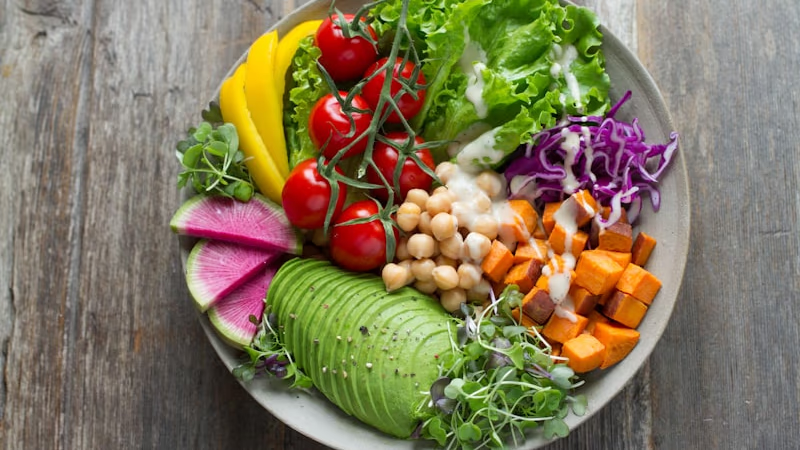
- Colorful vegetables and fruits — Berries, leafy greens, tomatoes, peppers, and cruciferous vegetables like broccoli and cauliflower are loaded with antioxidants and polyphenols that combat oxidative stress.
- Extra virgin olive oil — Contains oleocanthal, a compound that has similar anti-inflammatory effects to ibuprofen. Use it as your primary cooking oil.
- Nuts and seeds — Walnuts, almonds, flaxseeds, and chia seeds provide healthy fats, fiber, and anti-inflammatory compounds.
- Whole grains — Oats, quinoa, brown rice, and whole wheat provide fiber that feeds beneficial gut bacteria, which in turn produce anti-inflammatory short-chain fatty acids.
- Herbs and spices — Turmeric, ginger, garlic, cinnamon, and rosemary have well-documented anti-inflammatory properties.
Foods That Promote Inflammation
Just as certain foods calm inflammation, others actively promote it. Reducing these doesn't mean eliminating them entirely — rigid restriction backfires for most people. The goal is to shift the overall balance of your diet toward anti-inflammatory foods, while treating pro-inflammatory ones as occasional rather than daily staples.
- Refined sugars and high-fructose corn syrup — Trigger the release of inflammatory cytokines. Found in sodas, candy, baked goods, and many processed foods.
- Refined carbohydrates — White bread, pastries, and many breakfast cereals spike blood sugar, which promotes inflammation.
- Processed and ultra-processed foods — Often contain a cocktail of inflammatory ingredients: trans fats, excess sodium, artificial additives, and refined oils.
- Excessive alcohol — More than moderate consumption increases inflammatory markers. One drink per day for women, two for men is the general guideline, though less is better.
- Industrial seed oils consumed in excess — While not inherently harmful in moderate amounts, a very high intake of omega-6-rich oils (soybean, corn, sunflower) can tip the omega-6 to omega-3 ratio in a pro-inflammatory direction.
The Gut-Inflammation Connection
Your gut microbiome plays a central role in regulating inflammation throughout your body. About 70% of your immune system resides in your gut, and the trillions of bacteria living there can either promote or suppress inflammatory responses depending on their composition. A diverse, well-fed microbiome tends to keep inflammation in check.
Fiber is the key. Your gut bacteria ferment dietary fiber into short-chain fatty acids like butyrate, which have powerful anti-inflammatory effects and help maintain the integrity of your intestinal lining. A diet low in fiber starves these beneficial bacteria and allows inflammatory species to dominate. Most Americans eat about 15 grams of fiber daily — roughly half the recommended amount.
Making It Practical: A Week of Anti-Inflammatory Eating
You don't need to overhaul your entire diet overnight. Start with one or two swaps and build from there. Replace your afternoon bag of chips with a handful of walnuts and an apple. Swap your regular cooking oil for extra virgin olive oil. Add a serving of fatty fish twice a week. Cook with turmeric and ginger more often. These small changes compound over time.
A practical anti-inflammatory day might look like: overnight oats with berries and flaxseed for breakfast, a large salad with mixed greens, salmon, avocado, and olive oil dressing for lunch, and grilled chicken with roasted vegetables and quinoa for dinner. Snacks could include fruit with almond butter, or hummus with raw vegetables. It's not exotic or expensive — just real food, prepared simply.
Beyond Diet: Other Factors That Affect Inflammation
While food is a powerful tool, it works best alongside other lifestyle factors. Regular physical activity has a strong anti-inflammatory effect — even 20-30 minutes of moderate exercise most days makes a measurable difference. Quality sleep allows your body to regulate inflammatory processes. Chronic stress drives inflammation through cortisol dysregulation. And maintaining a healthy weight matters because excess body fat, especially around the midsection, is itself a source of inflammatory compounds.
Interested in Supplements That Support Healthy Inflammation?
Some supplements contain ingredients with evidence for supporting a healthy inflammatory response. We've reviewed several options to help you understand what the research actually shows.
See Related ReviewsThe Bottom Line
An anti-inflammatory diet isn't about perfection or deprivation — it's about consistently choosing foods that support your body's natural ability to regulate inflammation. The science behind this approach is substantial and growing, with clear links between dietary patterns and inflammatory markers. You don't need a special program or expensive superfoods. Eat more vegetables, fruit, fish, nuts, and olive oil. Eat less processed food, refined sugar, and junk. It's not glamorous advice, but it works.
Looking for Weight Loss supplements?
Our experts have reviewed and compared the top weight loss supplements to help you find the right one.
See our expert comparisonFrequently Asked Questions
How quickly can an anti-inflammatory diet make a difference?
Some people notice improvements in energy, digestion, and joint comfort within two to three weeks. Measurable changes in inflammatory blood markers like C-reactive protein (CRP) typically appear within four to twelve weeks of consistent dietary changes. Long-term disease risk reduction takes months to years of sustained healthy eating.
Is the anti-inflammatory diet the same as the Mediterranean diet?
They overlap significantly. The Mediterranean diet is arguably the best-studied version of an anti-inflammatory eating pattern. It emphasizes the same core foods: fish, olive oil, vegetables, fruits, nuts, and whole grains. Other dietary patterns like the DASH diet and traditional Japanese diets also have anti-inflammatory properties.
Do I need to take anti-inflammatory supplements?
For most people, a well-planned anti-inflammatory diet provides what you need. Fish oil supplements can be helpful if you don't eat fatty fish regularly. Turmeric supplements have some evidence but absorption is limited without piperine (black pepper extract). Talk to your doctor before adding supplements, especially if you take blood thinners or other medications.
Can an anti-inflammatory diet help with weight loss?
Yes, often as a side benefit. Anti-inflammatory foods tend to be nutrient-dense and satiating, which naturally reduces calorie intake for many people. Reducing inflammation also helps improve insulin sensitivity, which can make weight management easier. However, calories still matter — you can't eat unlimited amounts of healthy food and expect weight loss.
Are nightshade vegetables inflammatory?
Despite popular claims, there's no strong scientific evidence that nightshade vegetables (tomatoes, peppers, eggplant, potatoes) cause inflammation in the general population. Tomatoes, in fact, are rich in lycopene, a potent anti-inflammatory antioxidant. A small number of people with specific autoimmune conditions may be sensitive to nightshades, but this is individual, not universal.